Introduction
Few skin conditions are as misunderstood as vitiligo. Because it changes the way skin looks, many people assume it is an infection, a sign of poor hygiene, or something that can be “caught” from someone else. None of this is true. Vitiligo is a common, non-contagious skin condition, and understanding the facts can spare millions of people unnecessary fear, shame, and isolation.
What Is Vitiligo?
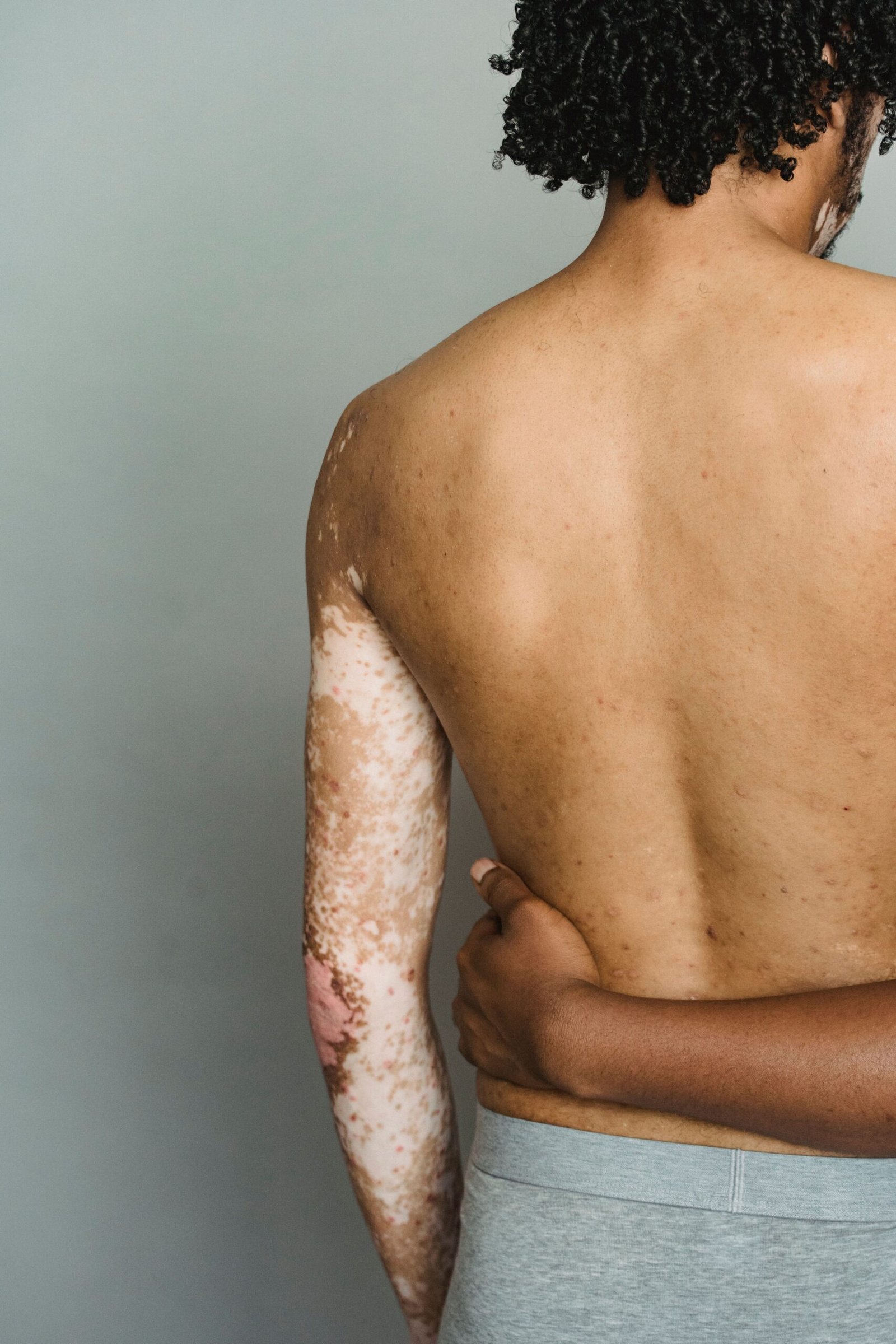
Vitiligo is a condition in which patches of skin lose their natural color and turn white. Skin color comes from a pigment called melanin, produced by cells called melanocytes. In vitiligo, these cells stop working or are destroyed, so the affected skin loses its pigment.
It affects roughly 1 to 2 percent of people worldwide, across all ages, genders, and ethnic groups. It most often begins between the ages of 10 and 30, and the patches tend to be more noticeable on darker skin.
Fact #1: Vitiligo Is Not Contagious
This is the most important fact. You cannot get vitiligo by touching, hugging, shaking hands, sharing food, using the same towel, or living with someone who has it. It is not caused by a virus, bacteria, or fungus, so there is nothing that can pass from one person to another.
People with vitiligo do not need to be kept apart from others, and they pose no risk to family, friends, or colleagues.
Fact #2: It Is an Autoimmune Condition
The most widely accepted explanation is that vitiligo is autoimmune. The immune system, which normally protects the body from infection, mistakenly attacks its own melanocytes. This is why people with vitiligo are somewhat more likely to have other autoimmune conditions, such as thyroid disease, type 1 diabetes, or alopecia areata. Doctors often suggest a simple blood test to check for these.
Fact #3: Genetics and Triggers Play a Role
About 20 to 30 percent of people with vitiligo have a relative with the condition, but having a parent with vitiligo does not mean a child will certainly develop it. Researchers believe a mix of genetic tendency and outside triggers is involved. Possible triggers include:
- Severe emotional or physical stress
- Skin injuries, cuts, or burns
- Serious sunburn
- Repeated exposure to certain industrial chemicals
Common Myths About Vitiligo
Myth 1: Vitiligo spreads by touch.
False. It is not infectious in any way.
Myth 2: Eating fish with milk or yogurt causes vitiligo.
This is one of the most widespread beliefs, but there is no scientific evidence behind it. Food combinations do not cause vitiligo.
Myth 3: It is a form of leprosy.
Vitiligo and leprosy are completely different. Leprosy is a bacterial infection that can cause numbness and skin damage. Vitiligo only changes skin color and does not cause numbness or physical disability.
Myth 4: It is caused by poor hygiene or an unhealthy lifestyle.
Cleanliness has nothing to do with vitiligo. Anyone can develop it, regardless of lifestyle.
Myth 5: It is a curse or punishment.
Vitiligo is a medical condition with biological causes. It is not a curse, a punishment, or a reflection of a person’s character.
Myth 6: It is life-threatening.
Vitiligo does not shorten life or harm the body’s organs. Its main impact is on appearance and emotional well-being.
Myth 7: People with vitiligo cannot marry or have children.
There is no medical reason for this. People with vitiligo live full, healthy lives, marry, and have families like anyone else.
Symptoms to Look For
The main sign is white or pale patches on the skin, commonly on the:
- Face, especially around the eyes and mouth
- Hands, fingers, and wrists
- Arms, legs, elbows, and knees
- Skin folds and sensitive areas
Some people also notice hair on the scalp, eyebrows, eyelashes, or beard turning white early, or loss of color inside the mouth or nose. The patches usually do not hurt or itch, though mild itching is possible.
Types of Vitiligo
- Non-segmental: The most common type, with patches appearing on both sides of the body in a roughly symmetrical pattern.
- Segmental: Patches appear on one side or area of the body, usually starting young and then stabilizing.
- Focal: One or a few patches that do not spread.
- Universal: A rare form in which most of the skin loses its color.
Getting a Proper Diagnosis
Not every white patch is vitiligo. Conditions such as pityriasis alba and fungal infections can look similar, but they need different treatment. A dermatologist can usually diagnose vitiligo by examining the skin, sometimes using a Wood’s lamp, a special ultraviolet light under which vitiligo patches glow clearly. In some cases a blood test or skin biopsy is recommended.
Treatment Options
There is no single cure that works for everyone, but several options can restore color or slow the spread of the condition. Results vary, and treatment can take months or even years.
- Topical medications: Corticosteroid creams and calcineurin inhibitors such as tacrolimus are often used for small patches and the face, under a doctor’s guidance.
- Phototherapy: Narrowband UVB light therapy, usually given several times a week at a clinic, helps restore color in many patients.
- Newer treatments: A topical JAK inhibitor cream has been approved in some countries. Availability and cost vary, so ask your doctor.
- Surgery: For stable patches that have not responded to other treatments, skin grafting or melanocyte transplantation may be considered.
- Depigmentation: When vitiligo covers a very large area, some people choose to lighten the remaining skin for an even tone. This is permanent and should be discussed carefully with a specialist.
Everyday Skin Care
- Wear sunscreen. Skin without melanin burns easily. Use a broad-spectrum sunscreen of SPF 30 or higher daily.
- Protect your skin from injury and friction, since new patches can form at the site of cuts or repeated rubbing.
- Try cosmetic camouflage if you wish to cover the patches.
- Look after your general health with balanced meals, enough sleep, and stress management.
- Avoid unverified home remedies, which can irritate or damage the skin.
The Emotional Side
For many people, the hardest part of vitiligo is not physical. Visible patches can lead to low self-esteem, anxiety, and social withdrawal, especially when others stare, avoid contact, or repeat the myths above. This is why spreading accurate information matters so much.
If you or someone you love has vitiligo, it can help to talk openly with trusted people, join a support group, or speak to a counselor. Friends and family can make a huge difference simply by treating the person normally and without judgment.
World Vitiligo Day, observed every year on June 25, aims to raise awareness and replace misunderstanding with understanding.
Conclusion
Vitiligo is not contagious, not dangerous, and not a reflection of hygiene, diet, or character. It is an autoimmune skin condition that changes color but not capability. With the right diagnosis, suitable treatment, sun protection, and a supportive environment, people with vitiligo can live confidently and fully. If you notice white patches on your skin, don’t panic. See a qualified dermatologist for advice, and help break the stigma by sharing the facts.